

- Trang chủ
- SP chiết xuất từ thực vật
-
Chiết Xuất Từ Vỏ Cây Thông Chống Oxy Hóa ISO 95% OPC 50%-95% Proanthocyanidins Bột
Chiết Xuất Từ Vỏ Cây Thông Chống Oxy Hóa ISO 95% OPC 50%-95% Proanthocyanidins Bột


Chiết Xuất Từ Vỏ Cây Thông Chống Oxy Hóa ISO 95% OPC 50%-95% Proanthocyanidins Bột


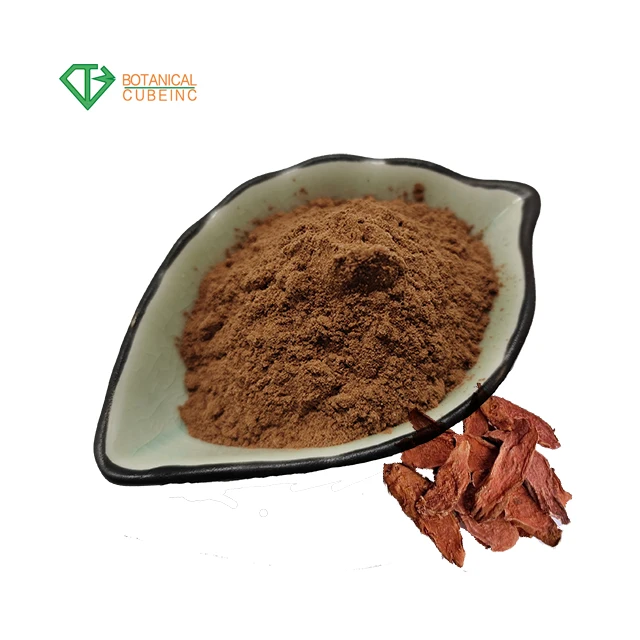
Pine bark extract is a dark red brown powder. Pine bark extract is a kind of substance extracted from pine bark. Pine bark peeled from trees is collected, flattened and extracted. It contains a large number of compounds called OPCS (procyanidins oligomers).OPCS have been found in many plants since the French scientist Dr. Jack maskelley isolated OPCS from peanut shells in 1947. In a large number of studies, it has been proved that OPCS are effective antioxidants with no toxicity, mutagenicity, carcinogenicity and side effects. It is very safe to use. Pine bark has been proved to be a new source of OPCS. There is no difference in quality and function of OPCS extracted from pine bark, but there are some slight differences in appearance.

| Analysis Item | Specification | Result |
| Appearance | Fine powder | Complies |
| Color | Red Brown | Complies |
| Odor & Taste | Characteristics | Complies |
| Procyanidins | 95% | 95.42% |
| Particle size | &ge95% pass 80 mesh | Complies |
| Bulk density | 50-60g/100ml | Complies |
| Loss on Drying | &le5.0% | 3.27% |
| Residue on Ignition | &le5.0% | 2.53% |
| Heavy Metal | ||
| Lead(Pb) | &le3.0 mg/kg | Complies |
| Arsenic(As) | &le2.0 mg/kg | Complies |
| Cadmium(Cd) | &le1.0 mg/kg | Complies |
| Mercury(Hg) | &le0.1 mg/kg | Complies |
| Microbiological | ||
| Total Plate Count | &le1,000cfu/g | Complies |
| Yeast & Mold | &le100cfu/g | Complies |
| E.Coli | Negative | Complies |
| Salmonella | Negative | Complies |
| Conclusion | Conform with specification. | |
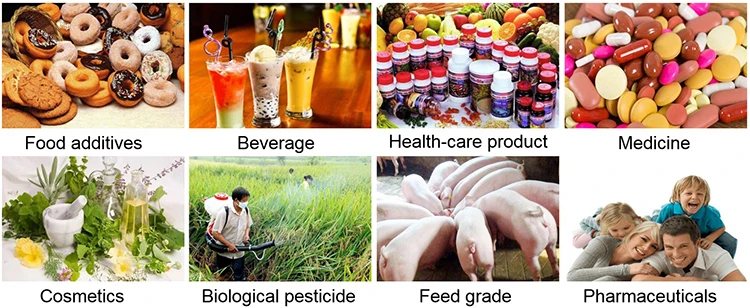

|
Used in the field of cosmetics: (If you are interested, please click the picture for more details) |
||
 |
 |
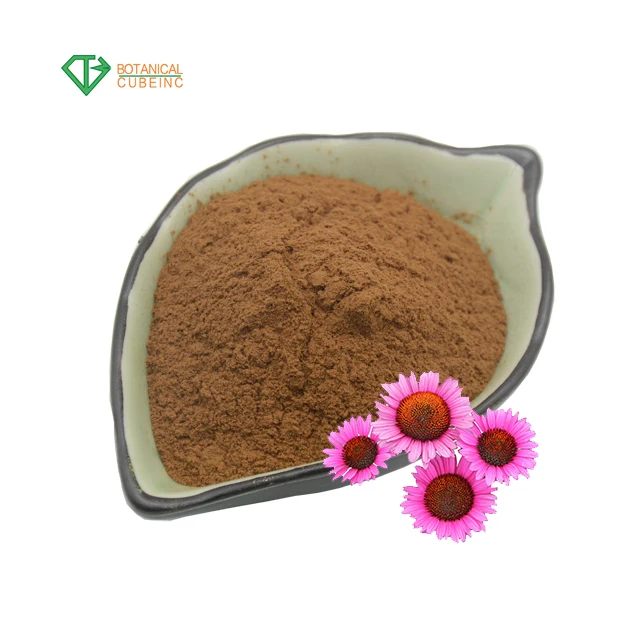 |
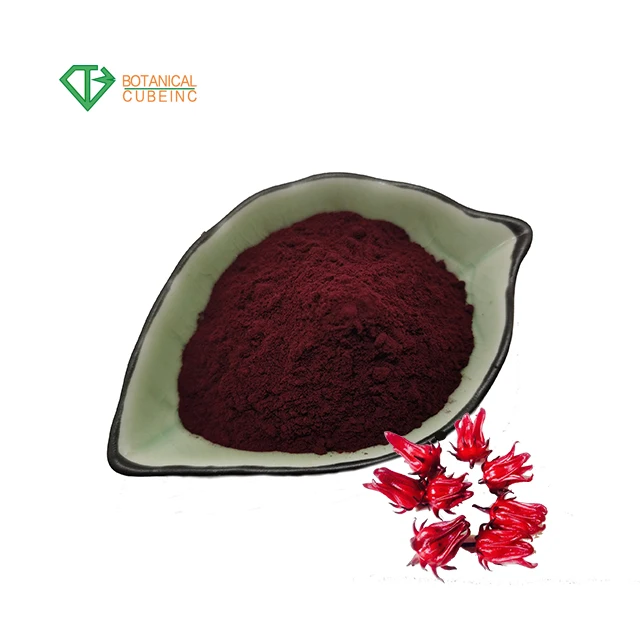
| Rhodiola Rosea L Water Soluble Rhodiola Rosea Extract Rosavin 3% Salidroside 1% Powder | Roselle Flower Powder Hibiscus Extract Powder 25% Anthocyanin | Echinacea Extract Powder 2% Cichoric acid |
| 200$-260$ | 320$-360$ | 26$-56$ |
 |
 |
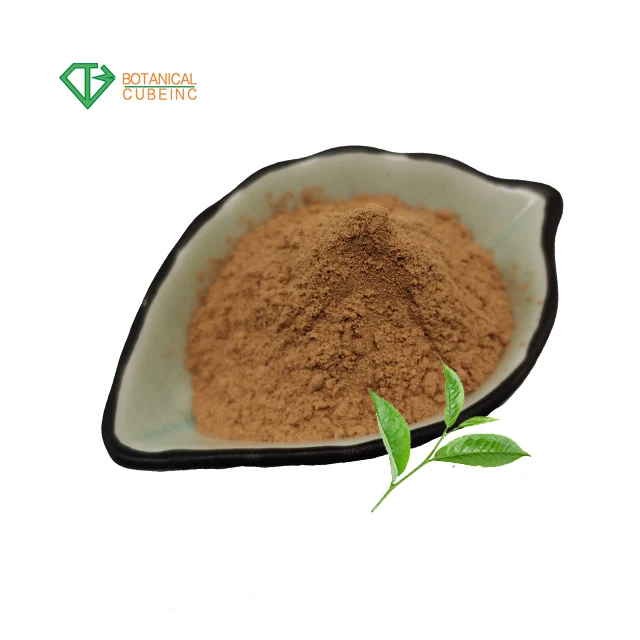 |
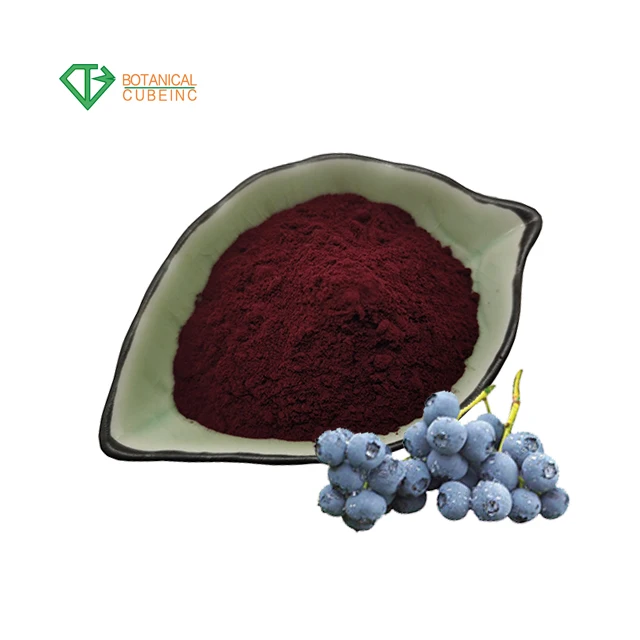
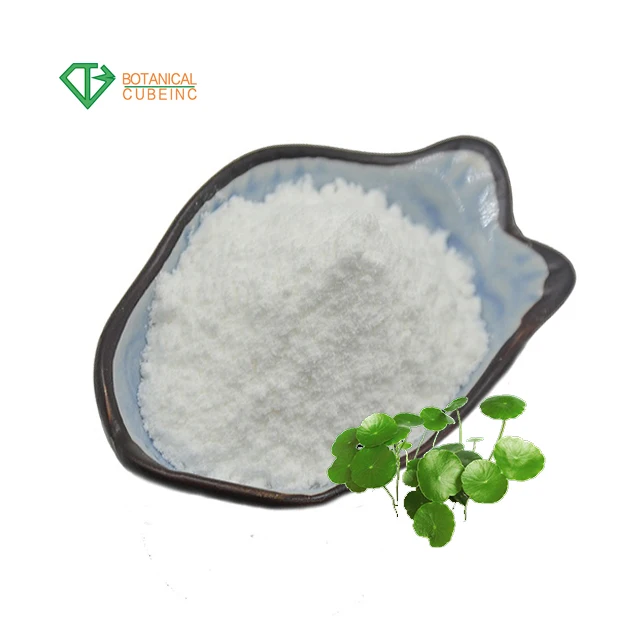
| Bilberry Extract Bilberry Fruit Extract Powder OPC 95% | Centella Asiatica Extract Centella Polysaccharide 10% Centella asiatica leaf Powder | water solubility natural green tea extract powder 40% green tea polyphenols |
| 26$-46$ | 44$-66$ | 9$-26$ |
Pine bark extract is a dark red brown powder. Pine bark extract is a kind of substance extracted from pine bark. Pine bark peeled from trees is collected, flattened and extracted. It contains a large number of compounds called OPCS (procyanidins oligomers).OPCS have been found in many plants since the French scientist Dr. Jack maskelley isolated OPCS from peanut shells in 1947. In a large number of studies, it has been proved that OPCS are effective antioxidants with no toxicity, mutagenicity, carcinogenicity and side effects. It is very safe to use. Pine bark has been proved to be a new source of OPCS. There is no difference in quality and function of OPCS extracted from pine bark, but there are some slight differences in appearance.
| Analysis Item | Specification | Result |
| Appearance | Fine powder | Complies |
| Color | Red Brown | Complies |
| Odor & Taste | Characteristics | Complies |
| Procyanidins | 95% | 95.42% |
| Particle size | &ge95% pass 80 mesh | Complies |
| Bulk density | 50-60g/100ml | Complies |
| Loss on Drying | &le5.0% | 3.27% |
| Residue on Ignition | &le5.0% | 2.53% |
| Heavy Metal | ||
| Lead(Pb) | &le3.0 mg/kg | Complies |
| Arsenic(As) | &le2.0 mg/kg | Complies |
| Cadmium(Cd) | &le1.0 mg/kg | Complies |
| Mercury(Hg) | &le0.1 mg/kg | Complies |
| Microbiological | ||
| Total Plate Count | &le1,000cfu/g | Complies |
| Yeast & Mold | &le100cfu/g | Complies |
| E.Coli | Negative | Complies |
| Salmonella | Negative | Complies |
| Conclusion | Conform with specification. | |
|
Used in the field of cosmetics: (If you are interested, please click the picture for more details) |
||
|
|
|
| Rhodiola Rosea L Water Soluble Rhodiola Rosea Extract Rosavin 3% Salidroside 1% Powder | Roselle Flower Powder Hibiscus Extract Powder 25% Anthocyanin | Echinacea Extract Powder 2% Cichoric acid |
| 200$-260$ | 320$-360$ | 26$-56$ |
|
|
|
| Bilberry Extract Bilberry Fruit Extract Powder OPC 95% | Centella Asiatica Extract Centella Polysaccharide 10% Centella asiatica leaf Powder | water solubility natural green tea extract powder 40% green tea polyphenols |
| 26$-46$ | 44$-66$ | 9$-26$ |

Bạn cần đăng nhập để chat với shop